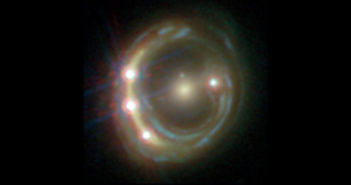
An Extreme, Distant Quasar in the Cosmic House of Mirrors
Astrobites reports on the most distant known quasar in the universe that’s lensed via a cosmic house of mirrors.

Astrobites reports on the most distant known quasar in the universe that’s lensed via a cosmic house of mirrors.
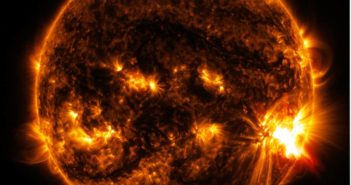
Solar activity sometimes stays trapped close to the Sun’s surface — but sometimes it breaks free in enormous eruptions. When should we expect the worst?

As of 1 January 2022, all AAS journals will officially be fully open access. What does that mean for you?
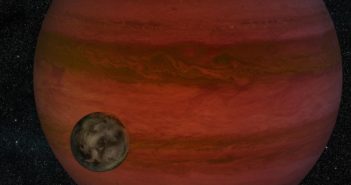
Astrobites reports on the search for exomoons orbiting rogue planets without host stars.
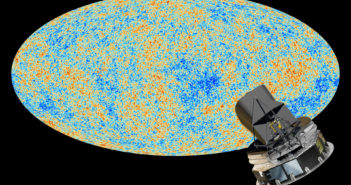
Certain features of the cosmic microwave background could help us measure how quickly the universe is expanding.
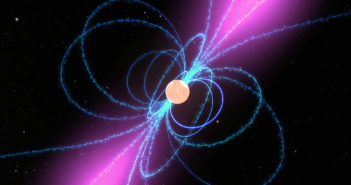
Astrobites reports on one pulsar that appears to lie unexpectedly far away from the galactic plane.
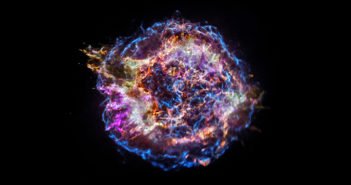
What are PeVatrons and how do we find them? Astrobites reports on results from an observatory that’s recently joined the hunt.
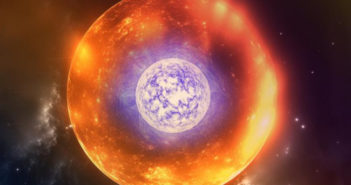
Astrobites reports on unusual hybrid objects: red giants that hide neutron stars in their interiors.
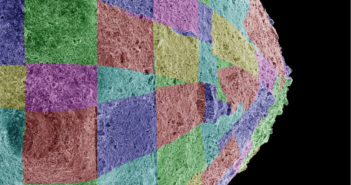
Shape models help us to interpret the stunning observations from a spacecraft’s recent visit to asteroid Bennu.
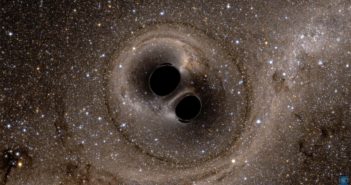
Models suggest that black holes of a certain mass can’t be produced by supernovae. Gravitational-wave signals from black hole mergers can allow us to test this prediction of “missing” black holes.
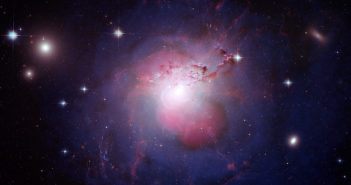
Scientists have explored how delicate filaments of cold gas form and survive within the hot, fast-moving surroundings of an active galaxy.
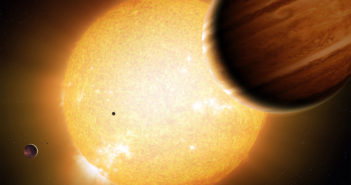
Astrobites reports on a newly “gotten” failed hot Jupiter that aids in our understanding of giant-planet migration.