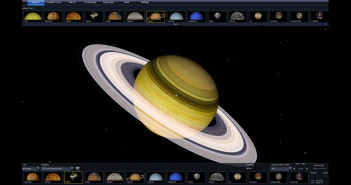
2016 AAS WorldWide Telescope Competition
Want to share astronomy by making a tour, interactive experience, or video using WorldWide Telescope? You should — and then you should enter it in the first WorldWide Telescope Competition!

Want to share astronomy by making a tour, interactive experience, or video using WorldWide Telescope? You should — and then you should enter it in the first WorldWide Telescope Competition!
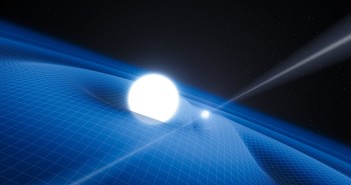
The eccentric orbit of a low-mass white dwarf around a millisecond pulsar defies expectations of how binaries like this form.
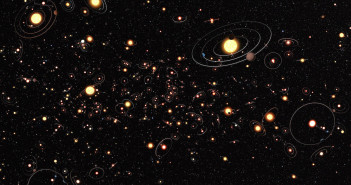
Astrobites reports on one of the most distant planets ever discovered, at nearly 10,000 light-years away from Earth.
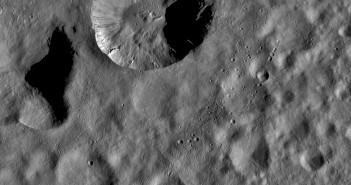
What if we could learn more about an asteroid near Earth without needing to land on it? We can — by flying through its dust!
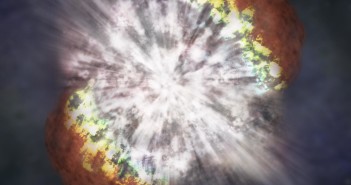
What drives the tremendous explosions of superluminous supernovae? New observations of their geometry might provide clues.
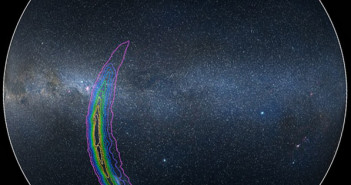
Can we spot electromagnetic counterparts to gravitational waves? A new algorithm might narrow down the search.
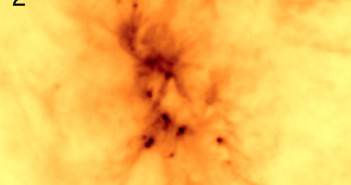
Astrobites reports on the dusty environments where stars are born: do baby stars prefer hot or cold surroundings?
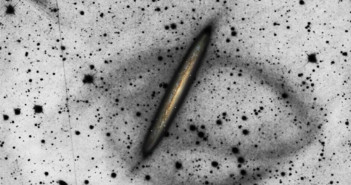
This negative image of NGC 5907 reveals the faint stellar stream that encircles the galaxy, forming loops around it — a fossil of a recent merger.
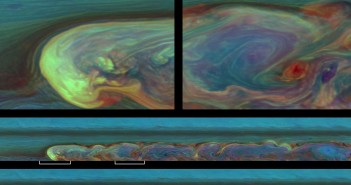
This week we’re at the DPS/EPSC meeting in Pasadena, California, exploring the latest developments in the field of planetary science. Here are the highlights from Day 4!
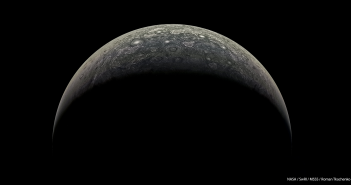
This week we’re at the DPS/EPSC meeting in Pasadena, California, exploring the latest developments in the field of planetary science. Here are the highlights from Day 3!
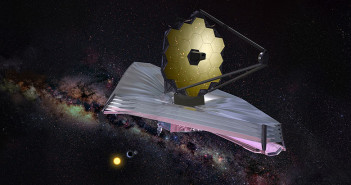
This week we’re at the DPS/EPSC meeting in Pasadena, California, exploring the latest developments in the field of planetary science. Here are the highlights from Day 2!
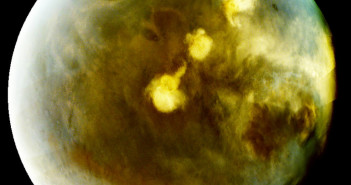
This week we’re at the DPS/EPSC meeting in Pasadena, California, exploring the latest developments in the field of planetary science. Here are the highlights from Day 1!