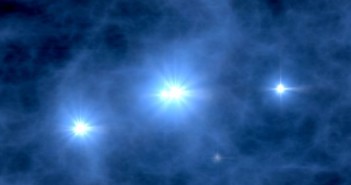
X-Ray Background from Early Binaries
What impact did X-rays from the first binary star systems have on the universe around them? A new study suggests this radiation may have played an important role during the reionization of our universe.

What impact did X-rays from the first binary star systems have on the universe around them? A new study suggests this radiation may have played an important role during the reionization of our universe.
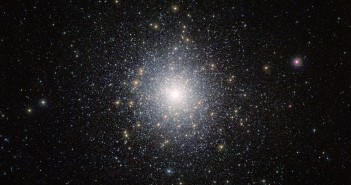
Astrobites tackles the question of where blue straggler stars come from — as well as where they’re going.
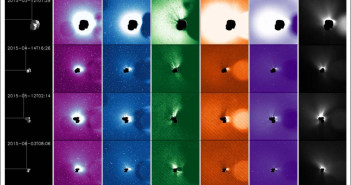
These images of comet 67P mark the first time we’ve been able to study the inner coma of a comet at this level of detail.

Are you an astronomer considering submitting a paper to an AAS journal? If so, this post is for you! Read on to find out what’s new in the latest update to AAS’s LaTeX class file, available for download now.
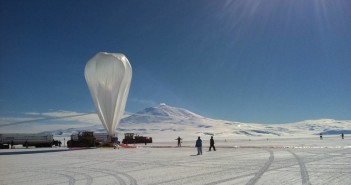
The SuperTIGER experiment flew over Antarctica for 55 days, collecting millions of galactic cosmic rays. What can it tell us about the origins of these high-energy particles?
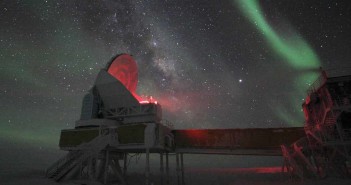
Astrobites reports on an extreme distant galaxy that has one of the highest star formation densities of any known galaxy in the universe.
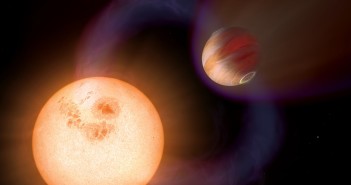
A recently discovered, unusual hot Jupiter may be causing its star to spin faster than it should.
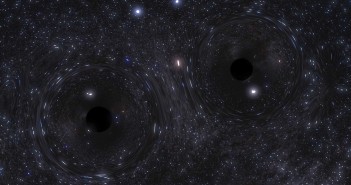
How are black-hole binaries built? Upcoming observations of gravitational waves from these systems may be able to reveal their origins.
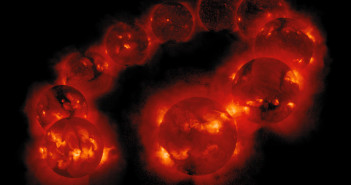
Sun-like stars have magnetic cycles that regulate their flares, starspots, and other activity. But what about stars much cooler and smaller than the Sun?
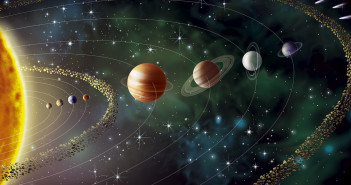
Astrobites reports on how our solar system may have evolved into the structure we see today.
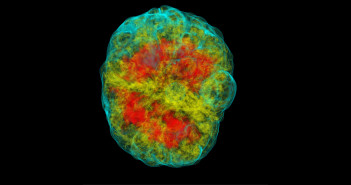
This stunning snapshot is from a complex computer simulation of a core-collapse supernova.
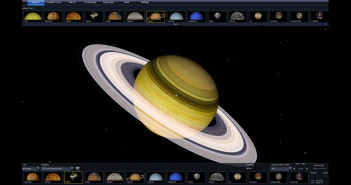
Want to share astronomy by making a tour, interactive experience, or video using WorldWide Telescope? You should — and then you should enter it in the first WorldWide Telescope Competition!