
AAS 229: Day 3
This week we’re at the winter AAS meeting in Grapevine, TX. Here are the highlights from Day 3!

This week we’re at the winter AAS meeting in Grapevine, TX. Here are the highlights from Day 3!
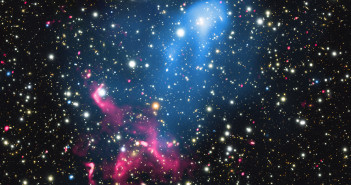
This week we’re at the winter AAS meeting in Grapevine, TX. Here are the highlights from Day 2!
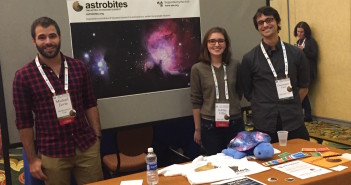
This week we’re at the winter AAS meeting in Grapevine, TX. Here are the highlights from Day 1!

This week we’ll be bringing you updates from the 229th AAS meeting in Grapevine, TX.

Hundreds of new galaxies were discovered this year hiding behind the Milky Way in the “Zone of Avoidance”.
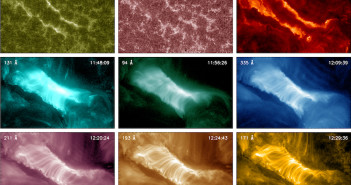
A study of a solar explosion has revealed a link between the ejection of plasma from the Sun’s surface and dimming of its corona.
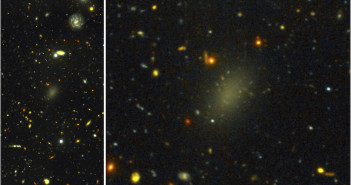
This year, scientists discovered Dragonfly 44, a faint galaxy whose center is made up of a whopping 98% dark matter.
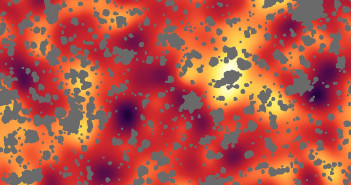
Could dark matter be made up of many black holes formed in the early universe? A study from this year examined this possibility.

A faint, 13-billion-year-old galaxy may help us to learn how we transitioned out of the universe’s dark ages.
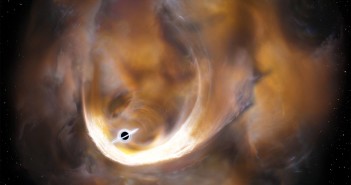
Potential signs of the second-largest black hole in our galaxy have been found near the center of the Milky Way.

How many galaxies are there in the observable universe? The latest estimate is approximately 2 trillion, ten times more than previously thought.
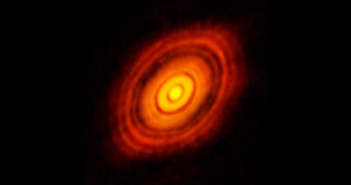
Beautiful ALMA images of the protoplanetary disk around HL Tau revealed evidence for planets orbiting within the disk.