Update from the Unified Astronomy Thesaurus
It’s been a year since we first discussed this unique organizational tool! Here’s a look at what’s new with the UAT.

It’s been a year since we first discussed this unique organizational tool! Here’s a look at what’s new with the UAT.
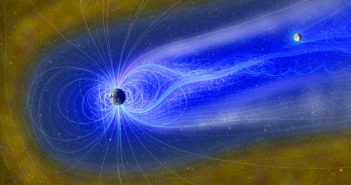
Without a resupply source, the Moon’s surface water would vanish. What’s keeping it hydrated?
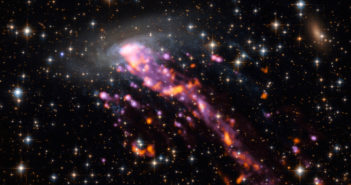
How can a cluster turn an ordinary galaxy into a mysterious, trailing creature? Astrobites reports.
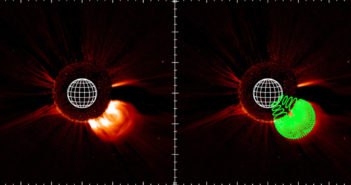
A combination of observations and models reveals more about how energy is released from the Sun.
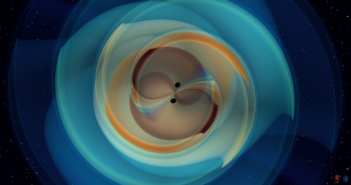
Could pairs of black holes and neutron stars alert us to their existence before they merge?
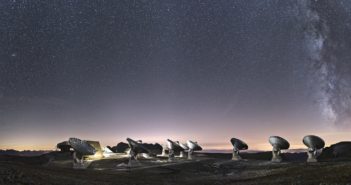
How has the availability of star-forming material in galaxies changed with time?
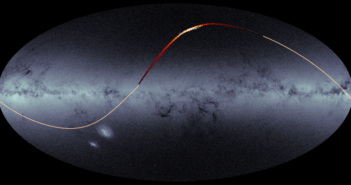
Though dark matter subhalos are invisible and hard to detect, astronomers have used stellar streams to make an attempt. Astrobites reports.
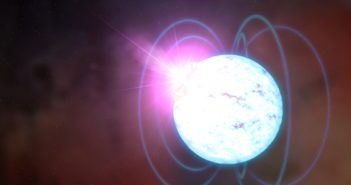
Recent evidence points to highly magnetized neutron stars as the culprits that produce fast radio bursts — but do galaxy demographics support this picture?
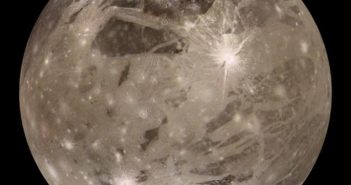
Among Jupiter’s Galilean moons, icy Europa or volcanic Io often take the spotlight — but their sibling moon Ganymede has plenty of secrets to share.
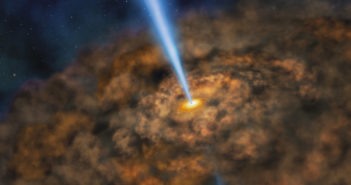
A recent census of brightly accreting supermassive black holes reveals more about the role they played in the evolution of our universe.
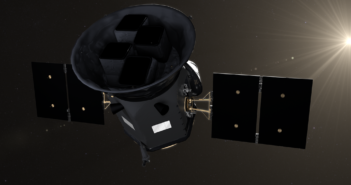
Astrobites reports on a clever technique to combine TESS full-frame images in the search for Planet Nine.
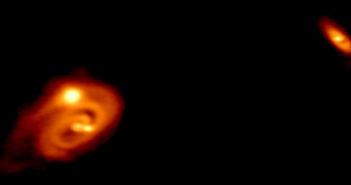
How do systems of multiple stars form in the dense cores inside molecular clouds? New ALMA images provide a glimpse.