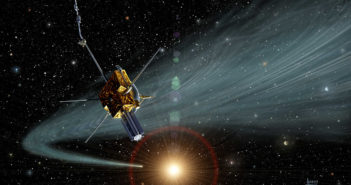
Measuring Solar Eruptions with a Rare Alignment
In 1998, a mass of plasma erupted from the Sun. Data from two perfectly aligned spacecraft now tell its story.

In 1998, a mass of plasma erupted from the Sun. Data from two perfectly aligned spacecraft now tell its story.
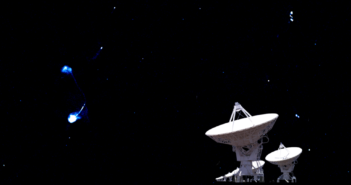
We know that we don’t know everything about the first galaxies. Astrobites reports on a further deepening of the mystery with new radio observations.
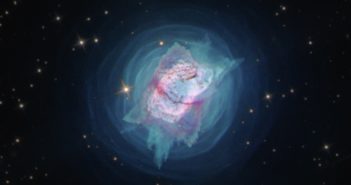
This week we’re at the virtual winter AAS meeting. Here are the highlights from Day 5!
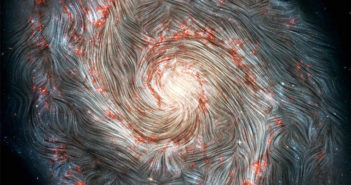
This week we’re at the virtual winter AAS meeting. Here are the highlights from Day 4!
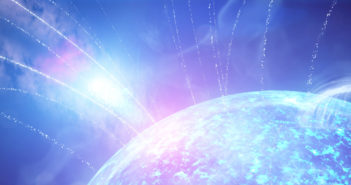
This week we’re at the virtual winter AAS meeting. Here are the highlights from Day 3!
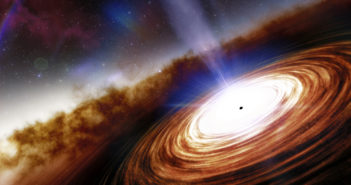
This week we’re at the virtual winter AAS meeting. Here are the highlights from Day 2!
This week we’re at the virtual winter AAS meeting. Here are the highlights from Day 1!
This week we’ll be bringing you updates from the virtual 237th AAS meeting.
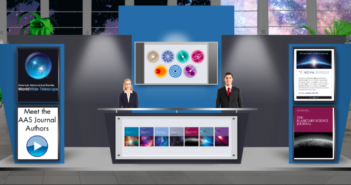
Will you be at the 237th American Astronomical Society meeting? We look forward to seeing you there!
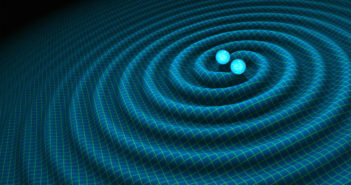
Could we alert follow-up telescopes to a neutron star collision even before the merger happens?
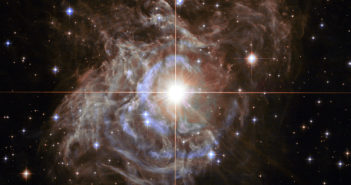
Gaia’s second data release catalogs more than 1.7 billion stars in our galaxy. But how many of these are variable? Astrobites reports.
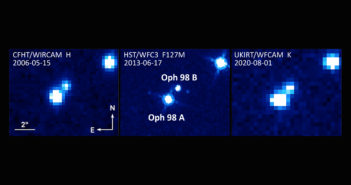
Recent images reveal a binary pair of planetary-mass objects drifting through our galaxy.