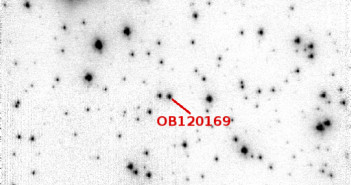
Through the Lenses of Black Holes
Astrobites reports on a solution to the tricky process of looking for something you can’t see — like isolated black holes.

Astrobites reports on a solution to the tricky process of looking for something you can’t see — like isolated black holes.
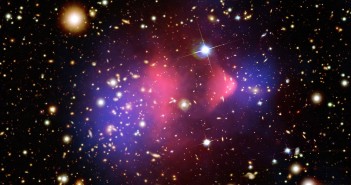
Astrobites reports on the oldest shock wave we’ve ever found, which is moving at 5 million miles per hour and was created by the collision of two galaxy clusters!
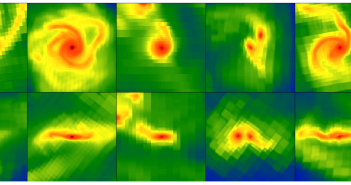
Astrobites reports on simulations of the first groups of stars in our universe, which reveal how these groups evolve and where they might be hiding in the local universe.
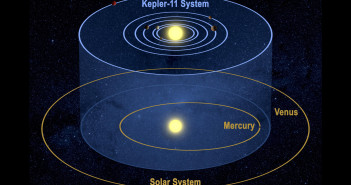
Why is Mercury’s orbit so large, compared to the close-in orbits of the planets observed in many exoplanetary systems? Astrobites reports on a recent study seeking to answer this question.
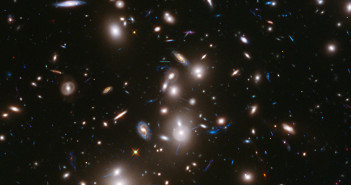
Astrobites reports on a study of nearby galaxies that mimic the properties of those found in the distant universe.
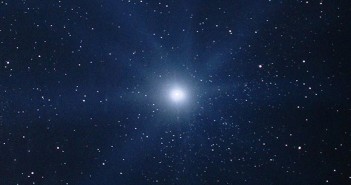
Astrobites reports on a Kepler spacecraft finding: two new white dwarfs that are “outbursting” — suddenly brightening every few days before quieting down again.
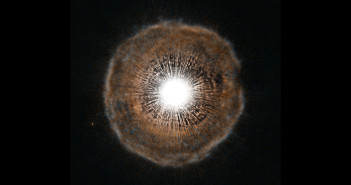
By the time a star becomes a white dwarf, much of its mass will have been lost. When does this mass loss occur and what drives it?