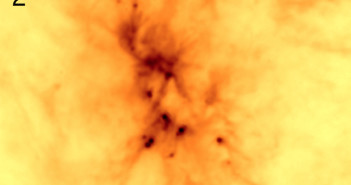
Evolution in the Stellar Nursery
Astrobites reports on the dusty environments where stars are born: do baby stars prefer hot or cold surroundings?

Astrobites reports on the dusty environments where stars are born: do baby stars prefer hot or cold surroundings?
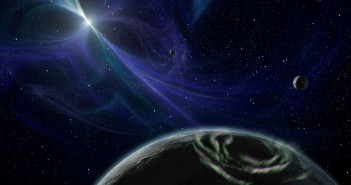
Pulsar planets were the first planets outside the solar system ever discovered, but they now appear to be very rare. Astrobites reports on what makes pulsar planets so uncommon.
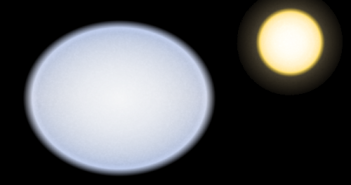
What happens when a planet orbits a rapidly spinning, oblate star? Astrobites reports on how this can potentially double the number of seasons that a planet experiences!
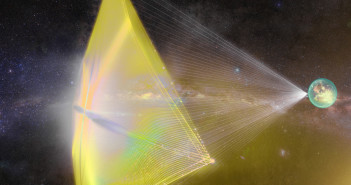
How will the tiny spacecraft of the Breakthrough Starshot initiative fare against dust, as they speed through interstellar space on their way to Proxima Centauri? Astrobites reports on the potentially catastrophic consequences of the interstellar medium for the mission.
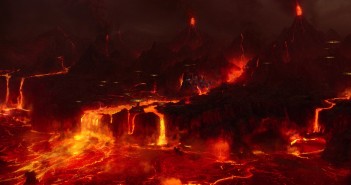
When rocky exoplanets form, they are initially believed to have molten surfaces. Astrobites reports on how this ocean of magma could affect a planet’s atmosphere.
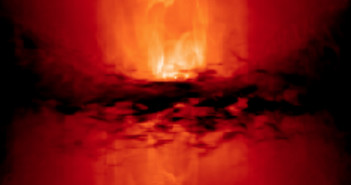
Astrobites reports on recent simulations studying how the extremely powerful, active centers of some galaxies might have formed.
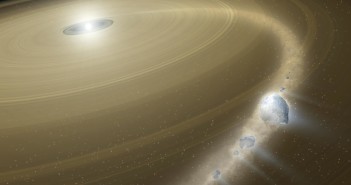
Astrobites reports on the discovery of a debris disc strewn around a white dwarf star — all that is now left of what was once likely a planetary system.
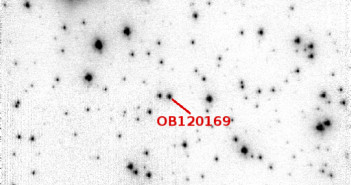
Astrobites reports on a solution to the tricky process of looking for something you can’t see — like isolated black holes.
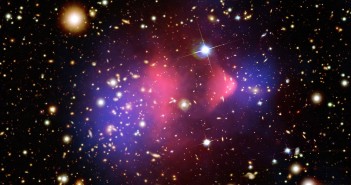
Astrobites reports on the oldest shock wave we’ve ever found, which is moving at 5 million miles per hour and was created by the collision of two galaxy clusters!
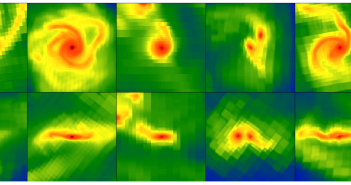
Astrobites reports on simulations of the first groups of stars in our universe, which reveal how these groups evolve and where they might be hiding in the local universe.