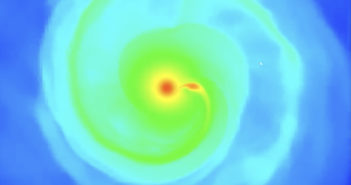
Featured Image: Forming Betelgeuse from a Stellar Merger
New research suggests the familiar red supergiant Betelgeuse may be the outcome of one star in a binary pair consuming the other.

New research suggests the familiar red supergiant Betelgeuse may be the outcome of one star in a binary pair consuming the other.
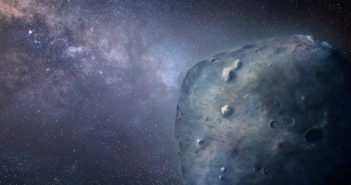
In a new study, scientists explore the relationship between two especially nearby asteroids in preparation for a future fly-by mission.
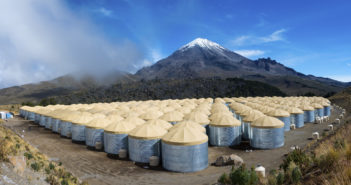
A new study may have identified a powerful cosmic accelerator in our galaxy.
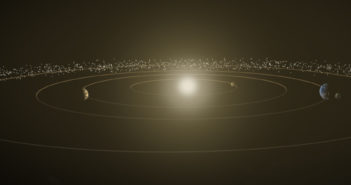
How do you form Mercury, Venus, Earth and Mars? Astrobites reports on the birth of our terrestrial planets.
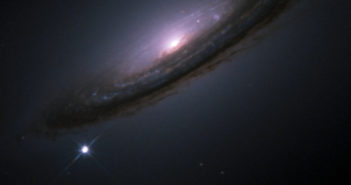
What can we learn about the large-scale properties of our universe from Type Ia supernovae? The answer may depend on the shared traits of supernova siblings.
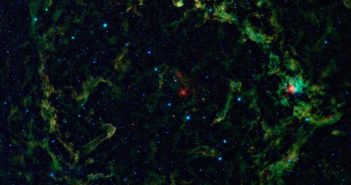
A recent study presents radio observations of a very rare object — a disk of dust and gas surrounding a triple star system.
As we take today to reflect, learn, and take action to eradicate anti-Black racism in the astronomical sciences, Astrobites has some suggestions and resources.
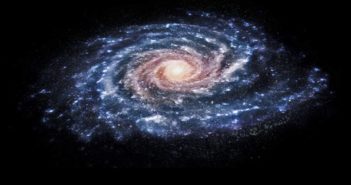
Astrobites reports on how we can use globular clusters to measure the weight of the Milky Way.
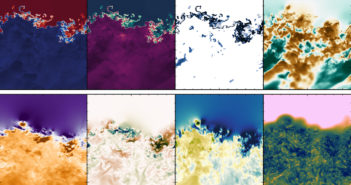
What happens in galactic and intergalactic settings when cold, dense gas moves through hot, diffuse gas?
This week we’re at the virtual summer AAS meeting. Here are the highlights from Day 3!
This week we’re at the virtual summer AAS meeting. Here are the highlights from Day 2!
This week we’re at the virtual summer AAS meeting. Here are the highlights from Day 1!